
"defect grading"
2000 article(s) found
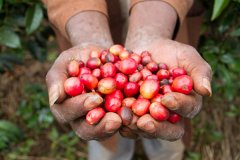
Colombian coffee raw bean grading method
One: according to the defect rate, the number of defective beans allowed per 500 gr sample:-Private raw bean exporter: 72 defects-National Coffee Council: 42 defects defective beans are divided into two types:-first: known as first-level defects-second: called second-level defects first: main defects (defects that affect coffee taste characteristics): black beans, moldy beans.

Colombian coffee grading
According to the classification of defective beans, defective beans can be divided into two types:-first: called first-class defects-second: called second-level defects. First: main defects (defects that affect the taste characteristics of coffee): black beans. Private exporters of moldy beans or sour beans: no more than 12 national coffee committees: no more than 8 first-level defective beans, second: secondary defects
Colombian coffee raw bean grading method
One: according to the defect rate, the number of defective beans allowed per 500 gr sample:-Private raw bean exporter: 72 defects-National Coffee Council: 42 defects defective beans are divided into two types:-first: known as first-level defects-second: called second-level defects first: main defects (defects that affect coffee taste characteristics): black beans, moldy beans.
Characteristics of Colombian coffee grade Colombian coffee beans taste of Colombian coffee beans brand
According to the classification of defective beans, defective beans can be divided into two types:-first: called first-class defects-second: called second-level defects. First: main defects (defects that affect the taste characteristics of coffee): black beans. Private exporters of moldy beans or sour beans: no more than 12 national coffee committees: no more than 8 first-level defective beans, second: secondary defects

What are the grades of Colombian coffee beans?
Following the comments (official Wechat account vdailycom) found that Beautiful Cafe opened a small shop of its own. According to the classification of defective beans, defective beans are divided into two types:-first: called first-level defects-second: called second-level defects first: main defects (defects affecting coffee taste characteristics): black beans, moldy beans or sour beans private raw bean exporters: first-level defects.

Coffee Bean Classification Standard Coffee Bean AA17 What is the judgment of defective beans and ten categories
Each producing country has its own classification and rating charts, which are also commonly used to set minimum standards for exports. It has the best flavor. The size and size distribution of coffee beans also have an impact on the optimization of roasting conditions. Coffee beans in coffee-producing countries are often determined by the following factors: 1. Altitude 2. Region 3. Plant variety 4. Method of preparation (
Classification of Colombian boutique coffee beans characteristics, taste and brand of Colombian coffee beans
Some ways of grading Colombian boutique coffee beans: 1: according to the law, according to the National Coffee Council, only high-quality coffee beans are allowed to be exported. These are set by the National Coffee Committee. Commercial rating: Maragogype Supremo Excelso and UGQ boutique rating: Grade AA Grade Special Grade each grade in beans
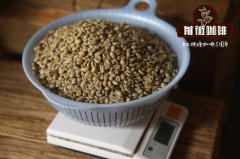
Knowledge about coffee raw beans classification and nomenclature of coffee in different countries
What exactly do G1, G2, G3, G4, AA, PB, SHB, SHG, EP and PLANTATION represent? The name of a coffee may contain messages such as country, producing area, variety, treatment, cup quality, bean order, bean shape or color, defect, raw bean density, etc. To really understand the naming of coffee, we must first understand the classification and classification of coffee. The grading of coffee

Colombian coffee is classified according to defective beans.
According to the classification of defective beans, defective beans can be divided into two types:-first: called first-class defects-second: called second-level defects. First: main defects (defects that affect the taste characteristics of coffee): black beans. Private exporters of moldy beans or sour beans: no more than 12 national coffee committees: no more than 8 first-level defective beans, second: secondary defects

The grading system of Blue Mountain Coffee grading Standard size giving priority to defects
Although the output of Blue Mountain Coffee is very small, it has a strict grading system, even if it is produced in the legal Blue Mountain area, it should be graded according to the size of beans and the proportion of defects. Blue Mountain No.1 Blue Mountain No. 1 bean type: 96% above 17 Blue 18 eyes defective bean proportion: 2% Blue Mountain No.2 Blue Mountain 2 bean type: 96% above 16 inch defective bean proportion: 2% Blue
Introduction and grading of Colombian coffee beans
Colombian Coffee our Colombian coffee producing area is located in the city of Hughton Bollivar in the Medellin region of the northern Andes in South America, where the climate is mild, humid and sunny. And our Fallorence Mountains are right here, and hard-working farmers are growing coffee along the highlands of these mountains. The mountain steps provide a diverse climate, which means that throughout the year
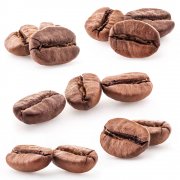
Grading according to the proportion of sieve and defective beans
Grading defective beans according to the ratio of sieve and defective beans is an important factor in destroying the flavor of the final coffee. Therefore, defective beans should also be removed in the final step of green bean processing. Therefore, according to the proportion of defective beans, supplemented by screen size is also used as a classification method. Due to the rise of the fine coffee trend, coffee producing countries are paying more and more attention to the quality of coffee. Controlling defective beans is the most important way.
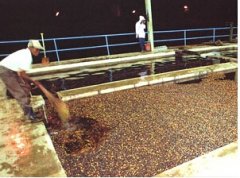
Characteristics of Colombian boutique coffee beans Colombian boutique coffee
According to the classification of defective beans, defective beans can be divided into two types:-first: called first-class defects-second: called second-level defects. First: main defects (defects that affect the taste characteristics of coffee): black beans. Private exporters of moldy beans or sour beans: no more than 12 national coffee committees: no more than 8 first-level defective beans, second: secondary defects
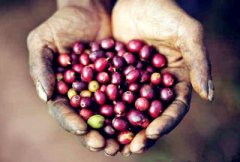
The classification of Colombian boutique coffee Colombian coffee characteristics Colombian coffee taste brother
According to the classification of defective beans, defective beans can be divided into two types:-first: called first-class defects-second: called second-level defects. First: main defects (defects that affect the taste characteristics of coffee): black beans. Private exporters of moldy beans or sour beans: no more than 12 national coffee committees: no more than 8 first-level defective beans, second: secondary defects

Coffee bean grade classification introduction of Brazilian coffee raw bean defect classification system
Professional coffee knowledge exchange more coffee bean information please follow the coffee workshop (Wechat official account cafe_style) front street-Brazilian coffee grading system introduction to Brazilian raw bean classification first coffee beans with parchment are shelled and removed by parchment machine. Workers then use vibration screening to grade coffee according to the density of raw beans. You know, density is an important measure of coffee quality.
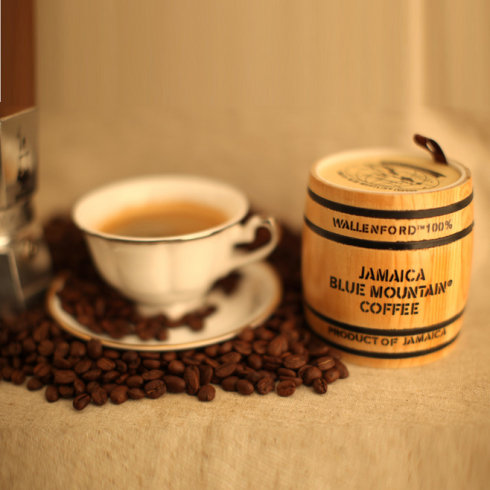
Blue Mountain Coffee has a high requirement for the proportion of defective beans, which gives priority to the grading system of giving priority to defects.
Introduction: although the output of Blue Mountain Coffee is very small, it has a strict grading system. Even if it is produced in the legal Blue Mountain producing area, it should be graded according to the size of beans and the proportion of defects. BlueMountainNo.1 Blue Mountain No. 1 bean type: 96% above 17 Bl 18 eyes defective bean proportion: 2% BlueMountainNo.2 Blue Mountain 2 bean type: 96% above 16 inch defective bean proportion: 2% Bl

Definition of Fine Coffee Cup Test Grade-American Fine Coffee Association
The definition of boutique coffee cup test grade-the American Fine Coffee Association three taste threshold tests, refers to the sweet and sour taste recognition. One of them is to find out which of the nine cups of water are sweet, sour and salty; one is to distinguish the three concentration levels in each of the three cups of sour, sweet and salty; and the other is three flavors, three grades, that is, nine solutions, which are mixed with each other, and then eight cups are mixed.
The grading system of defects in Blue Mountain Coffee beans
Although the output of Blue Mountain Coffee is very small, it has a strict grading system, even if it is produced in the legal Blue Mountain area, it should be graded according to the size of beans and the proportion of defects. Blue Mountain No.1 Blue Mountain No. 1 bean type: 96% above 17 Blue 18 eyes defective bean proportion: 2% Blue Mountain No.2 Blue Mountain 2 bean type: 96% above 16 inch defective bean proportion: 2% Blue
Boutique coffee beans: the detailed classification of Colombian coffee beans teaches you to know boutique coffee beans.
According to the classification of defective beans, defective beans can be divided into two types:-first: called first-class defects-second: called second-level defects. First: main defects (defects that affect the taste characteristics of coffee): black beans. Private exporters of moldy beans or sour beans: no more than 12 national coffee committees: no more than 8 first-level defective beans, second: secondary defects

Blue Mountain Coffee, a grading system that gives priority to size and defects
Although the output of Blue Mountain Coffee is very small, it has a strict grading system, even if it is produced in the legal Blue Mountain area, it should be graded according to the size of beans and the proportion of defects. Blue Mountain No.1 Blue Mountain No. 1 bean type: 96% above 17 Blue 18 eyes defective bean proportion: 2% Blue Mountain No.2 Blue Mountain 2 bean type: 96% above 16 inch defective bean proportion: 2% Blue